Turning access into impact in Banyuwangi
Project STOP achievements update June 2026
More than half a million people now have access to waste collection in Banyuwangi, East Java – a milestone that reflects real change in how waste is managed every day.
For many households, this is the first move away from open dumping and burning toward a safer, more reliable waste system. Cleaner neighborhoods, improved public health and waste kept out of rivers and the ocean are tangible outcomes of that shift.
These results are driven by Project STOP, launched in 2017 by Borealis (now Borouge International) and Systemiq, with a clear ambition: to stop plastic pollution at its source by building circular, economically viable waste management systems. In East Java, Indonesia, this approach has scaled from pilot cities to Project STOP Banyuwangi Hijau, a regency-wide system developed together with local government and communities.
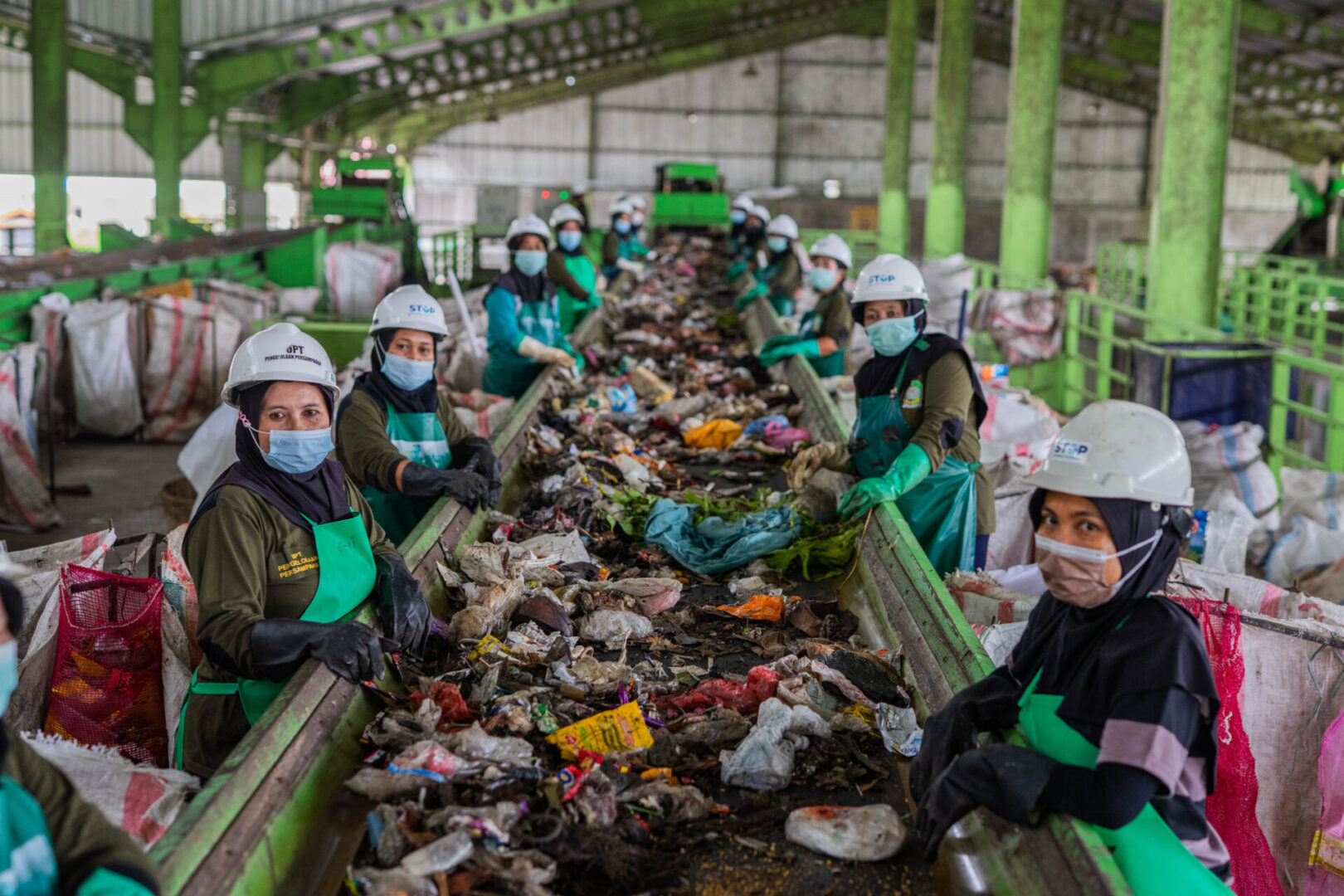
By the end of 2025, Project STOP had collected more than 100,000 tons of waste across Banyuwangi and earlier partner cities. Today, access to formal waste collection reaches over 500,000 people in Banyuwangi, and more than 850,000 people across all Project STOP locations.
To understand what these milestones mean on the ground, we spoke with two members of the local implementation team of Systemiq in Banyuwangi: Lintong Manik, Project Manager, and Maurin Rizkianita Arjana, Behavior Change and Communication Officer.
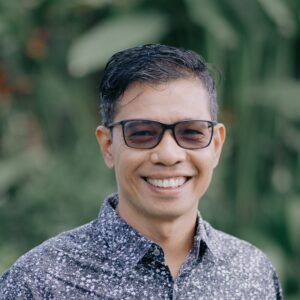
Photo 1: Lintong Manik, Project Manager.
credits: © Project STOP
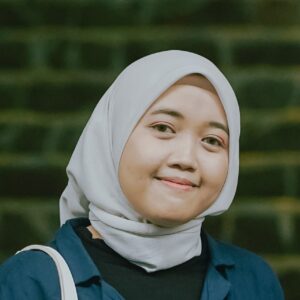
Photo 2: Maurin Rizkianita Arjana, Officer.
credits: © Project STOP
“This shows how far the system has evolved”
Project STOP Banyuwangi Hijau has reached an important milestone, providing access to waste collection for over half a million people. Why is this moment so significant?
Lintong Manik:
When I joined Project STOP in 2019, we were still testing different approaches on a much smaller scale. Reaching half a million people shows how far the system has evolved, and that a structured, long‑term approach, combined with strong collaboration with the Banyuwangi Regency, really works. Most importantly, this scale would not be possible without communities actively participating in the system.
Maurin Rizkianita Arjana:
This milestone reflects a real shift in how waste is managed. In the past, waste was often burned or dumped. Now people have proper, safe access to waste collection. Not just in urban areas, but also in villages. That inclusiveness is what makes this change meaningful.
From tonnage to everyday change
At the end of 2025, Project STOP surpassed 100,000 tons of waste collected. How does this connect with expanding access to waste services?
Lintong:
These milestones belong together. The amount of waste collected shows the environmental impact – waste that no longer leaks into the environment. Expanding access shows something deeper: a shift in daily practices. Real impact happens when infrastructure, participation and behavior change move together.
This systems perspective sits at the heart of Project STOP’s model. Research and on‑the‑ground experience show that uncollected waste is the single biggest source of plastic leakage into the environment. Building access to collection is therefore the foundation for reducing pollution, improving public health and enabling recycling markets to function.
What changes when waste collection arrives
Many households in Banyuwangi are accessing formal waste services for the first time. What changes have you seen at community level?
Maurin:
For many families, this is their first experience registering for waste collection, sorting waste and paying a small fee to the government for the service. There is still a lot to learn, but awareness is growing. People see cleaner villages and experience improved health conditions. We also see it very clearly in the reduction of illegal dumping spots. Once services are in place, those hotspots often disappear completely.
Lintong:
There is a clear mindset shift. Waste is no longer something invisible. People begin to understand the consequences of mismanaged waste and even encourage their neighbours to participate. There are also wider benefits: Banyuwangi is growing as a tourism destination, and better waste management helps address concerns around cleanliness and environmental quality.
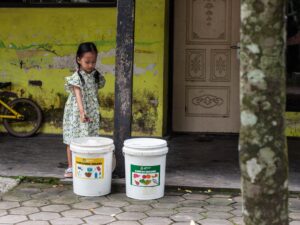
Photo 3: A girl using the bins provided in a residential neighborhood in Banyuwangi Regency.
credits: © Project STOP
Behavior change starts locally
Behavior change is critical to making waste systems work. What have been the key lessons?
Maurin:
Awareness campaigns alone are not enough. What really works is empowering local villages and communities to lead. When local leaders are involved in planning and set the example themselves, people are much more willing to participate. Ownership at community level makes the system stronger.
This insight reflects a broader lesson from Project STOP: participation grows over time when systems are trusted, affordable and locally owned. While access is the first step, sustained engagement is what ultimately makes waste systems economically and environmentally viable.
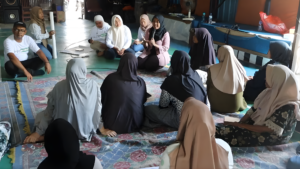
Photo 4: Maurin in a triggering session in Sumbersari village.
credits: © Project STOP
Scaling through partnership
How important has collaboration with local government been in reaching this scale?
Lintong:
It has been essential. No single actor can build a system like this alone. Local government plays a central role, and the system is increasingly owned and led by the Regency. We foster collaboration through continuous engagement, formal and informal, and by involving stakeholders directly in planning and decision‑making. It’s also important to note the role of national ministries in guiding and supporting this program as well. This is true partnership and makes long‑term sustainability possible.
Project STOP’s “system enabler” approach is designed around this principle: working side by side with governments over several years, building capacity, then gradually stepping back once systems are institutionalized. In Banyuwangi, this has enabled the transition from pilots to a regency‑wide model that can inform national policy and replication elsewhere in Indonesia.
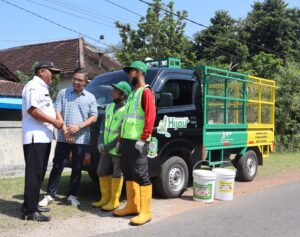
Photo 5: Lintong interacting with the head of Bagorejo village and the waste pick-up drivers.
credits: © Project STOP
Looking ahead
With over half a million people now covered in Banyuwangi, what comes next?
Lintong:
Expansion continues, but strengthening the system is just as important. We are focusing on increasing participation and payment rates to support long-term financial sustainability of the system, and on ongoing community education.
Maurin:
Sustaining behavior change is key. We work closely with local government and communities on capacity building, so people don’t fall back into old habits. Local champions play a huge role in keeping momentum going.
“Impact you can see, not just measure”
After several years of working closely with communities, what makes you most proud to be part of Project STOP?
Maurin:
I’m proud to see local people empowered — not just using the system, but leading it. Community members become facilitators and educators, helping their neighbors change habits. That local ownership is powerful.
Lintong:
For me, it’s seeing responsibility shared from the regency down to villages and households. This is impact you can see every day: in the environment and in people’s lives, not just in reports or presentations.
From building access to enabling participation, Project STOP Banyuwangi Hijau shows what it takes to move from waste collection to lasting system change, and why long‑term partnerships matter when tackling plastic pollution at scale.
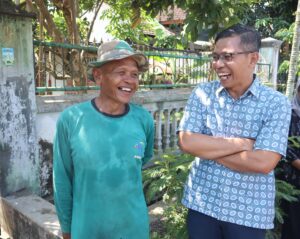
Photo 6: Lintong interacting with one of the customers in Bagorejo village.
credits: © Project STOP
Kontak Media:
Borouge International:
Borouge International Media Desk
Tel: +43 1 22 400 899 (Vienna, Austria)
E-mail: [email protected]
Systemiq:
Ulrike Stein, Senior Communications Manager, Systemiq
Tel: +44 782 705 8082 (London, UK)
E-Mail: [email protected]
Adonia Butar Butar,
Operations Manager, Project STOP Banyuwangi
Tel: +62 811 135 06759 (Indonesia)
E-Mail: [email protected]
Tentang Project STOP
Project STOP (STop Ocean Plastics), launched in 2017 by Borealis and Systemiq, is a pioneering program that provides access to effective circular waste management systems at scale in Southeast Asia. Collaborating with public and private sector partners, the initiative builds waste management infrastructure and deploys technical expertise to achieve zero waste leakage, increase recycling, build economically sustainable programs, create new jobs and reduce the harmful impacts of mismanaged and openly burnt waste on public health and the environment. The first city partnership was established in 2017 in the city of Muncar, East Java, followed by others in Pasuruan, East Java, and Jembrana, Bali. Following the successful handover of all three Project STOP city partnerships to the local regency governments, Project STOP’s focus is now on providing a Regency-wide circular waste management system in Banyuwangi Regency, East Java (Project STOP Banyuwangi Hijau) further enabled by Borealis and Project STOP’s scale-up partner and funder Clean Rivers.
For more information on Project STOP visit www.stopoceanplastics.com
About Borouge International
Borouge Group International AG (Borouge International) is a global industrial company formed in 2026 through the combination of Borouge Plc, Borealis and NOVA Chemicals. Backed by long-term shareholders ADNOC and OMV, Borouge International brings together world-class assets, advantaged feedstock access and proprietary technology to deliver reliable high-performance polyolefin solutions across consumer products, infrastructure, energy, mobility and advanced products.
Borouge International combines a differentiated asset base, global reach and deep technical expertise to serve customers across key growth markets. Borouge International is headquartered in Austria, with a regional headquarters in Abu Dhabi and corporate hubs in North America and Asia Pacific. Learn more about the company: www.borougeinternational.com
Tentang Systemiq
Systemiq is a systems change company that works with businesses, policymakers, investors and civil society organisations to reimagine and reshape the systems that sit at the heart of society – energy, nature and food, materials, built-environment, and finance – to accelerate the shift to a more sustainable and inclusive economy. Founded in 2016, Systemiq is a certified B Corp, and has offices in Brazil, France, Germany, Indonesia, the Netherlands, the UK and the USA. Find out more at www.systemiq.earth or via LinkedIn.
About Clean Rivers
Clean Rivers is a UAE-backed foundation addressing interconnected global challenges at the intersection of waste and water. An affiliate of Erth Zayed Philanthropies, Clean Rivers has ongoing partnerships in Indonesia, the Philippines and Brazil.
Learn more: www.cleanrivers.org | LinkedIn